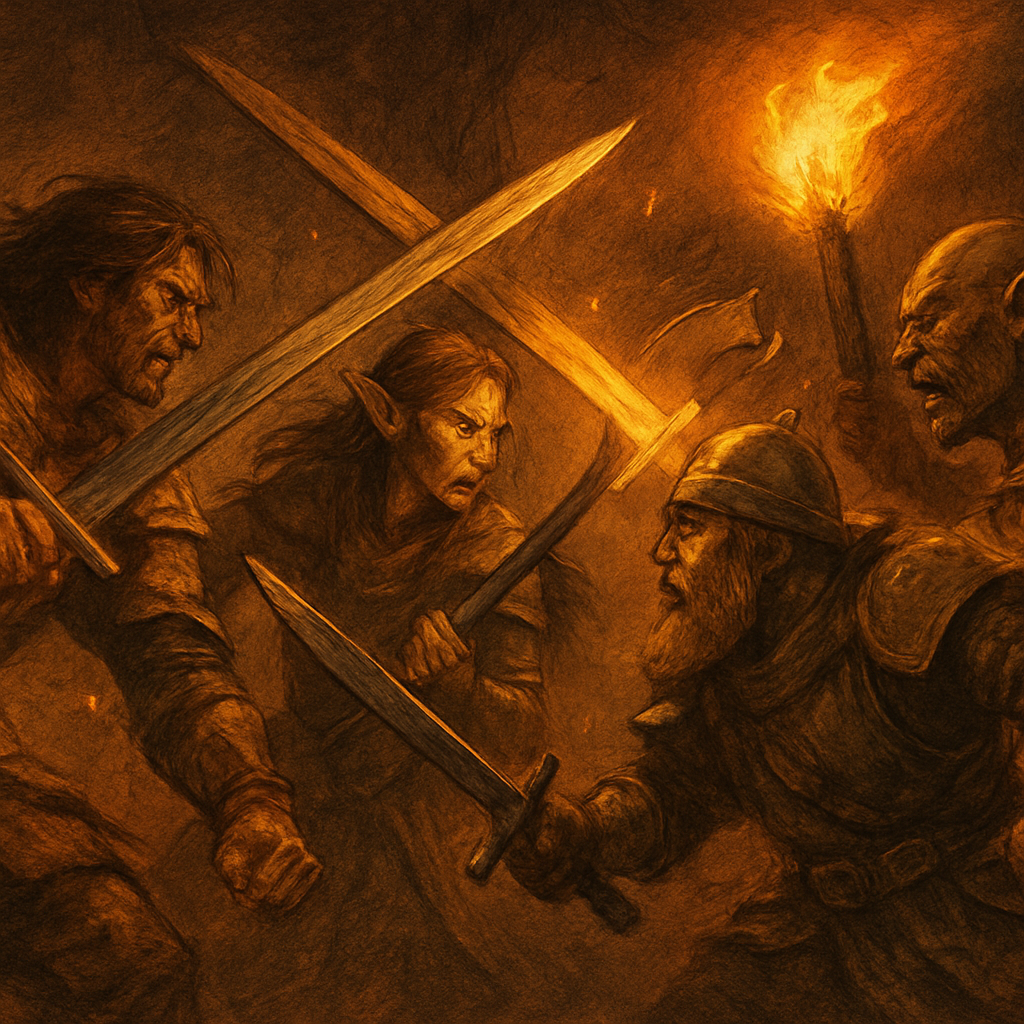
Ever felt like Goldilocks when it comes to combat? Too easy, and your players might start checking their phones. Too hard, and you're handing out character sheets like party favors. The sweet spot lies in making combat feel genuinely dangerous without turning the battlefield into a total party kill (TPK) machine.
Understand the Stakes
First, recalibrate your thinking. Combat should feel like a risk, not a bloodbath. The stakes need to be clear. Why are they fighting? What's at risk if they lose? When players understand the consequences, even a less lethal combat encounter can feel intense. It’s not about the body count. It’s about the narrative tension.
Use the Environment
Terrain is your best friend. A narrow bridge over a rushing river, a crumbling cliffside, or a room filling with water can be just as threatening as an enemy wielding a sword. Use the environment creatively to pose threats that require strategy and quick thinking. ArcForge's mapping tools can help you visualize these dynamic environments, adding layers that keep your players on their toes.
Action Economy and Threat Management
Combat isn’t just about hit points. It’s about action economy. Multiple weaker foes can be more threatening than a single big bad due to sheer number of actions they have. Conversely, a lone enemy with legendary actions or lair actions can keep players guessing. Keep your players busy, and make them think. A well-timed action that disrupts their momentum can make combat feel dangerous without overloading the damage dial.
Signal Threats
Communicate your intentions. Describe the menacing gleam of a sword or the palpable aura of a spell. These details allow players to recognize threats and react accordingly. Forewarned is forearmed, and anticipation can heighten tension. But make sure your players know you’re not pulling punches. This isn’t about coddling them. It’s about giving them the tools to navigate the danger.
Mechanics That Support Tension
Introduce mechanics that add unpredictability. Maybe the villain has a secret ability that triggers under specific conditions. Perhaps there's a countdown to a devastating event if they don't act fast enough. Mechanics like these can create a sense of urgency and danger without ramping up the lethality.
Reward Creative Solutions
Encourage players to find creative, non-combat solutions in the heat of battle. Whether it’s convincing an enemy to switch sides, triggering a trap, or finding a way to escape, rewarding ingenuity can make combats memorable and satisfying. ArcForge gives you options to track and reward these moments seamlessly, allowing you to focus on the story.
The Art of Retreat
Sometimes, knowing when to retreat can be the most thrilling part of an encounter. Encourage strategic withdrawals. The players don’t always need to win every fight outright. An organized retreat can be a nail-biting experience and can lead to more story opportunities down the line. Make sure the players understand that fleeing isn’t failing. It’s surviving to fight another day.
Let Characters Shine
Ensure every character has a moment to shine. The rogue needs places to hide, the wizard needs room to cast, and the fighter needs someone to punch. Tailor encounters to highlight varied skill sets, keeping everyone engaged and their skills relevant. This diversity keeps combat interesting and makes it feel dangerous due to its unpredictability.
Manage Expectations
Set the tone from the start. If your campaign is deadly, let your players know. If it’s more about heroics and less about grit, clarify that too. Players should know what kind of game they’re in. This transparency helps them make decisions aligned with the game’s atmosphere and stakes.
Recap and Reflect
After the dust settles, talk to your players. How did they feel? What was exciting? What fell flat? Use this feedback to adjust future encounters. This isn’t about pandering to them. It’s a collaborative story, and their input helps you craft an experience that’s both thrilling and rewarding.
Achieving balance in combat is more art than science. Keep your players engaged, the stakes high, and remember, with ArcForge, you have the tools to make each encounter a meaningful part of the narrative. This isn’t just about surviving the battle. It’s about staying in the story.