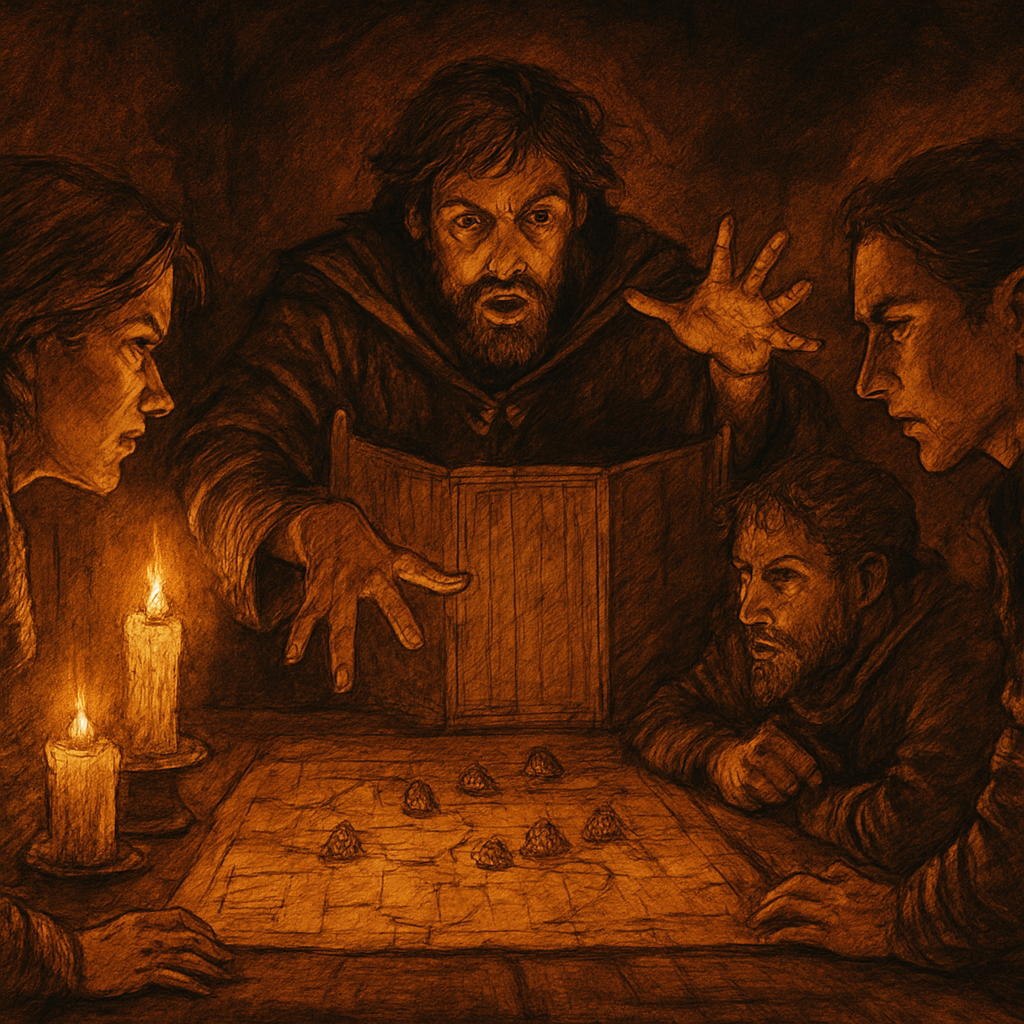
You know the feeling, fellow GM. You're in the middle of a climactic scene, the room is buzzing with tension, and then, like a thunderstorm at a picnic, a problem player derails the game. We've all been there, and it can feel like a gut punch to the story you're trying to weave. But, like any seasoned GM knows, the key to handling these situations is to address them head-on without letting drama take over your session.
Identify the Problem Early
First things first, recognize the signs. Is a player constantly interrupting others? Are they metagaming to the detriment of the story? Or perhaps they're showing up late or not at all? Identifying the specific behavior early can save you a lot of grief. Keep an ear out for player grumblings and an eye on who might be at the center of disruptions. The sooner you can pinpoint the issue, the sooner you can address it.
Communicate Directly
Once you've identified the problem, it's time to have a chat. And no, I'm not talking about a full-scale intervention with all the theatrics of a reality TV show. A simple, direct conversation outside of game time can work wonders. Approach the player with specific examples of the behavior and explain how it affects the game. Avoid making it personal. It's not about attacking them, but about improving the experience for everyone involved.
Set Clear Expectations
If you've had the talk and the problem persists, it's time to set some ground rules. Reinforce the social contract of your table. This might mean revisiting or establishing a group charter outlining expected behaviors. Make sure every player knows what's expected both in and out of character. Having these expectations laid out clearly can prevent misunderstandings and offer a reference point if issues arise again.
Use the Power of the Session Zero
Session Zero is an often underrated tool in a GM's toolkit. It's the perfect time to lay everything on the table: rules, character creation, campaign themes, and most importantly, player behavior expectations. If you're not already using Session Zero to align everyone's expectations, start doing it. It's much easier to address potential problems before they start when everyone knows what they're signing up for.
The Art of Redirection
Sometimes, a gentle nudge in the right direction is all it takes. If a player is dominating the spotlight, redirect the focus to other players. Pose questions, create character-specific challenges, or introduce plot twists that require team cooperation. This technique not only manages problem behavior but can also enrich the game by encouraging new dynamics and deeper role-playing among your players.
Don't Hesitate to Use Tools
Digital tools have revolutionized the way we manage games. Platforms like ArcForge offer features that can assist with player management, such as private chat functions to address concerns discreetly, or notes to keep track of any ongoing issues. Use these tools to help you maintain a harmonious table environment. Technology is there to support you, not replace you, so use it to your advantage.
When It's Time to Say Goodbye
No one likes to consider it, but sometimes the best thing you can do for your game is to part ways with a player. It should always be a last resort, but don't shy away from it if you've exhausted all other avenues. The health of your campaign and the enjoyment of the other players are more important than keeping someone who's consistently causing issues. In the end, a well-functioning group will provide a better experience for everyone involved.
Encourage Open Feedback
Creating a space where players feel comfortable giving and receiving feedback can prevent small issues from becoming big problems. At the end of a session, ask your players what they enjoyed and what could be improved. Encourage honesty by showing that you value their input. This ongoing dialogue can help catch potential problems early and foster a positive gaming environment.
Keep the Big Picture in Mind
Remember why you started this journey as a GM: to create unforgettable stories, to watch characters develop, and to have fun. Don't let one player's behavior overshadow the joy of the game. Keep the big picture in mind. Your role isn't just to manage the game but to guide your players through an epic adventure. It's about maintaining balance and ensuring that everyone, including yourself, enjoys the ride.
Handling problem players isn't always easy, but with the right approach, you can minimize the drama and keep your campaign rolling smoothly. GMs are the unsung heroes of tabletop gaming. With these strategies in place, you'll find yourself more prepared to tackle those disruptions head-on, ensuring the game remains a thrilling experience for all.