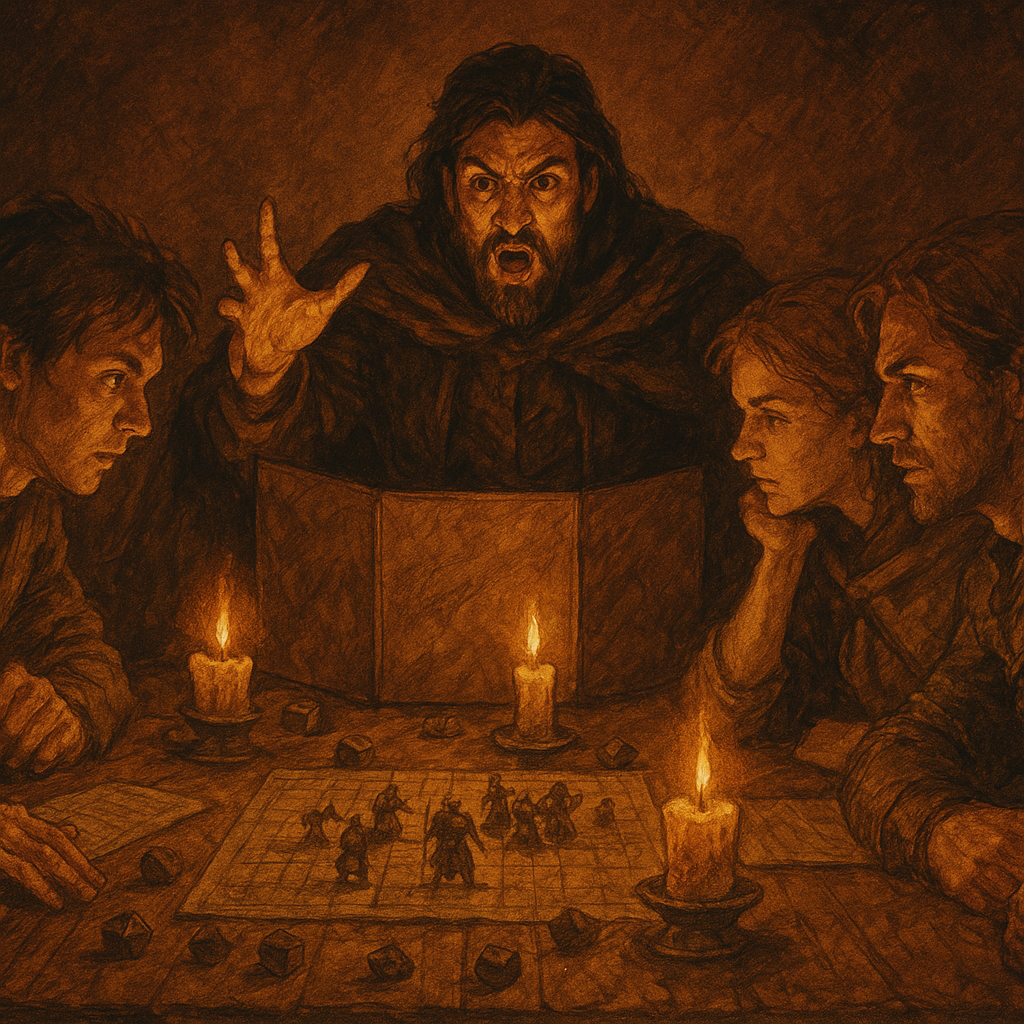
Time pressure adds tension, pushing players to make quick decisions. But it can easily spiral into stress, leaving players flustered and disengaged. That’s not what you want. Your role as a GM is to balance urgency with fun, keeping the story compelling without overwhelming your party.
Set the Stage Clearly
First, communicate the time constraint effectively. "The castle will explode in ten minutes" is clear. "You have a limited time" is not. Specificity guides your players, helping them prioritize actions. Setting the stakes at the beginning of the session lets players mentally prepare, creating a sense of urgency that feels like a challenge rather than a nuisance.
If you're using ArcForge, set up a timer or a countdown that everyone can see. Visual cues add legitimacy to the pressure and remind players of the passing time.
Use Real-Time Wisely
Real-time timers add intensity, but be cautious. Five minutes of real time can feel much longer in a high-stakes scenario. Use real-time sparingly and only when the scene calls for it. A bomb defusal or a chase sequence benefits from real-time tension, but general exploration does not.
When you decide to implement a real-time mechanic, start small. A ten-minute timer can be too much for new players. Try three or five minutes instead. Gauge your group’s reaction, and adjust accordingly. You’re testing the waters, not throwing them into the deep end.
Encourage Teamwork
Time constraints can make players hyper-focused on individual actions, often neglecting collaboration. Challenge them to work together. Suggest quick planning sessions. "You have thirty seconds to plan your strategy." Short, intense bursts of planning foster teamwork and keep everyone engaged.
As a GM, gently facilitate this process. Pose questions: "Who’s handling the guards? What's your escape route?" This prompts players to divvy up tasks and think collectively.
Keep the Mechanics Simple
Under time pressure, complex mechanics can bog down gameplay. Simplify rolls and rules when a clock is ticking. If your players need to crack a code, a single intelligence check is better than a multi-step puzzle that could derail the tempo.
Use ArcForge to track simplified versions of your usual mechanics. This keeps the game smooth and fast-paced. Your players will appreciate the streamlined approach when every second counts.
Provide Meaningful Consequences
Make sure the consequences of failing to meet time constraints are significant but not game-ending. "You lose a valuable artifact" or "you arrive late and the villain escapes" are setbacks that can drive plot and character development. TPKs (Total Party Kills) due to running out of time should be rare and only used if the players are fully aware of the stakes.
When a team succeeds under pressure, reward them with more than just survival. Offer narrative rewards: the gratitude of an NPC, or a clue that leads to a bigger mystery. This affirms their efforts and reinforces the value of working against the clock.
Monitor Stress Levels
Keep an eye on your players. Are they engaged, or do they look anxious? Stress manifests differently, so know your group. If tension is too high, dial it back. Add a humorous NPC or a brief pause to alleviate pressure. You can always ramp up the tension again later.
ArcForge can help here by organizing notes on players’ stress levels or reactions to time constraints. Use this data to personalize future encounters.
Debrief After the Session
Once the clock has stopped and the dust has settled, take time for a group debrief. Ask your players how they felt about the time pressure. Was it exciting? Nerve-wracking? Overwhelming? Encourage honesty. Feedback is crucial for refining your approach in future sessions.
Discuss what worked and what didn’t. Did the time limit enhance the story? How did the group dynamics shift under pressure? Use this information to adjust your future games.
The goal is to create memorable moments, not stress-inducing scenarios that leave players dreading your next session. With thoughtful preparation and execution, time pressure can become a powerful storytelling tool in your GM arsenal. Keep your players on their toes without pushing them over the edge. Your campaign will be all the more thrilling for it.