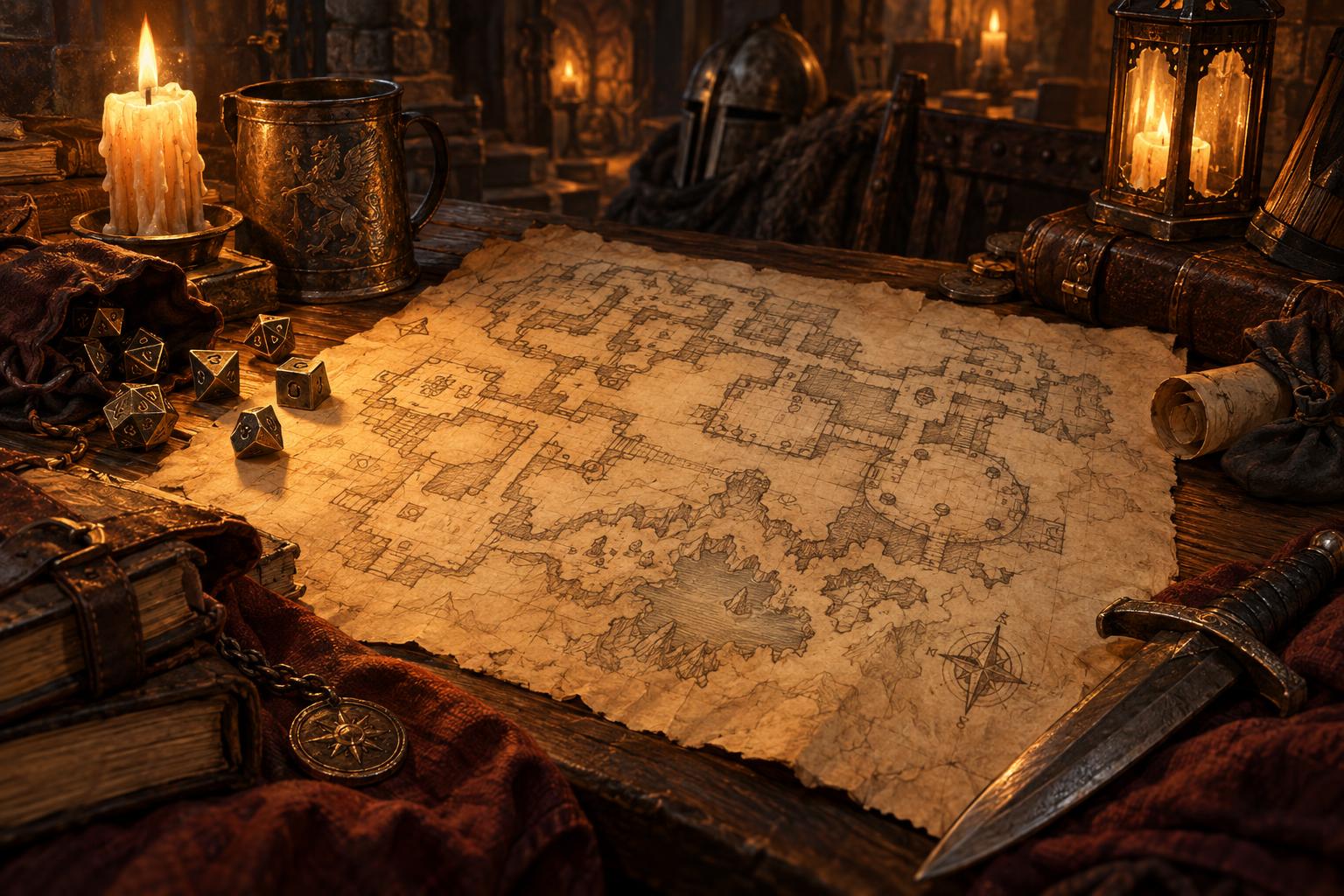
We've all been there. You spent hours crafting an intricate dungeon, only to watch your players blitz through it in 20 minutes, treating it like an express train ride from one encounter to the next. It feels hollow, linear, and worst of all, predictable. Dungeons should be places of wonder, danger, and mystery. Here’s how you can make yours feel like a living, breathing world instead of a glorified hallway.
Understand the Purpose of Your Dungeon
Before you even draw a single room, ask yourself why this dungeon exists. Was it once a dwarven fortress, now overrun by orcs? Is it the cavernous lair of an ancient dragon? The purpose will dictate everything from the layout to the monsters that inhabit it. When players understand a dungeon’s history and purpose, it immediately feels more real and less like a series of disconnected rooms.
Embrace Non-Linear Design
The biggest mistake in dungeon design is the one-corridor mindset. A great dungeon offers multiple paths and choices. Encourage exploration by creating loops, shortcuts, and dead ends. This way, players have to make decisions about where to go, which gives them a sense of agency. Use ArcForge to easily draft multiple pathways and visualize how they interconnect.
Integrate Environmental Storytelling
Objects and architecture can tell stories. A collapsed tunnel could hint at a recent cave-in, while a dusty library might contain clues about previous inhabitants. These elements create a narrative outside of combat and skill checks. They engage players’ imaginations, causing them to ask questions about what happened before they arrived. Interactive features, like a puzzle door or a sentient trap, deepen this engagement.
Vary the Ecosystem
Real-world ecosystems are diverse, your dungeon should be too. Populate different sections with creatures that logically fit the environment. A section with a water source might feature aquatic creatures, while a dark, isolated corner could host undead or other creatures that shun the light. Varying the ecosystem adds both realism and strategic diversity to encounters.
Balance Combat, Exploration, and Interaction
A common pitfall is leaning too heavily on combat sequences. Balance is key. Allow areas for exploration and opportunities for interaction with NPCs or creatures who might not immediately be hostile. This balance transforms the dungeon from a slog through hit-point tallies into a dynamic experience. Use ArcForge to manage encounter difficulty and track player interactions seamlessly.
Use the Five Senses
When describing your dungeon to players, remember that they can only interact with it as vividly as you present it. Include sensory details: the damp, earthy scent of a moss-covered room, the distant echo of dripping water, the flickering shadows cast by their torches. These descriptions pull players into the scene, making it more tangible and immersive.
Create Dynamic Events
A living dungeon has events that occur independently of the players. Maybe a group of goblins is setting up an ambush, or a magical barrier fluctuates at intervals. These events can be influenced by player actions, but they continue to unfold regardless, reinforcing the idea that the world exists beyond the players’ immediate actions.
Design for Player Character Skills
Consider the skills and backgrounds of your players’ characters. If they have a rogue, include a few hidden traps or locked doors. If there’s a druid, sections overgrown with plants or beasts might yield role-playing opportunities. This not only makes the dungeon feel alive but also provides characters with a chance to shine using their unique abilities.
Incorporate Meaningful Rewards
Forget generic piles of gold and +1 swords. Make rewards relevant to your dungeon's story. An ancient tome might hold forgotten spells or secrets about the dungeon’s original purpose. Artifacts could offer clues to larger world events. Meaningful rewards tied to the narrative enrich the experience and give players reasons to care about what they find.
Test and Iterate
Finally, playtesting is crucial. Run the dungeon with a fresh set of eyes, whether it's a different group of players or a trusted GM friend. Observe the paths they choose and the details they latch onto. Use this feedback to refine your design, focusing on areas that felt thin or confusing.
Designing a dungeon that feels like a living world rather than a linear path is a challenge, but it's a rewarding one. With careful planning and a bit of creativity, you can craft an adventure that captures the imagination of your players, creating memorable experiences they won't soon forget. With tools like ArcForge at your disposal, managing this process becomes even easier, allowing you to stay in the story without getting bogged down by logistics.