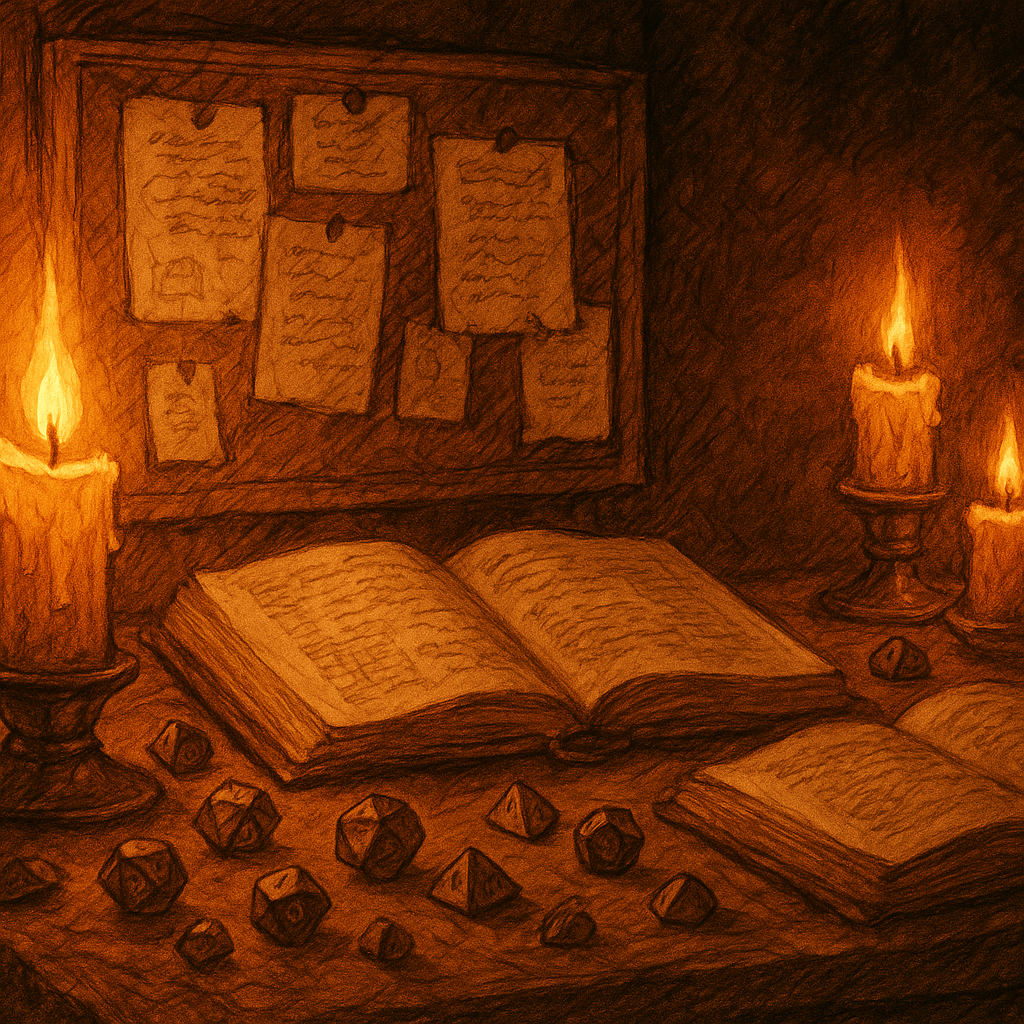
Dice clatter against the table, a familiar soundtrack to any GM's ears. Yet, the allure of digital tools calls out, promising to streamline and enhance. So, we find ourselves at a crossroads: physical or digital? What actually elevates your sessions from good to unforgettable?
The Comfort of the Analog World
RPGs started with books, dice, and character sheets scribbled with pencil. There's something tactile and rewarding about rolling real dice and hearing them tumble across the table. Players see each other’s reactions, share a laugh, and feel the energy in the room. You, as the GM, can read the room at a glance.
But let’s be honest: flipping through pages to find a rule mid-session kills momentum. Pencil smudges on character sheets often need deciphering. Analog has its charm but it’s not without its pitfalls.
Enter the Digital Revolution
The digital age brings with it Virtual Tabletop (VTT) platforms, character sheet auto-updaters, and initiative trackers. Tools like ArcForge create a seamless experience, integrating maps, character data, and even atmospheric sounds. These tools cut down on the time spent flipping pages and correcting math errors.
Digital allows for dynamic storytelling. You can instantly pull up maps, play sound effects, or display handouts. These elements immerse players in a way that physical can't always match. Plus, online tools make organizing your campaign notes far more efficient. You’ll spend less time sorting through stacks of papers and more time in the story.
The Hybrid Approach: Best of Both Worlds
Why choose one when you can have both? Blending digital with physical can offer the best experience. Use physical dice and minis for that tactile feel but rely on digital for tracking health, initiative, and campaign notes. A setup where you roll dice physically, while using a digital map, can keep sessions moving smoothly.
Consider using a digital tool like ArcForge to manage your notes and campaign details. It's like having a superpower. You can quickly access any information without breaking the flow of the game. Prepping is a breeze. During gameplay, you're more present and less ensnared by admin tasks.
Tailoring Your Table: What’s Right For Your Group?
Every group is unique. Some players thrive on physical interaction. They love seeing the surprise on a friend’s face when a critical hit lands. Others prefer the convenience and depth that digital tools provide.
Talk to your group. What do they enjoy most? Is the table crowded with snacks and books, or is there space to set up a laptop comfortably? The best sessions come from a balance that fits your collective playstyle.
Overcoming Tech Hurdles
Let’s address the elephant in the room: tech can fail. A dropped internet connection or a software glitch can derail a session faster than a rogue's critical failure. Always have a backup plan. Keep a physical map and extra dice handy just in case the digital world decides to take a break.
A smart GM anticipates these issues. Spend time before your session to ensure everything’s running smoothly. Familiarize yourself with your digital tools and ensure you've got the basics of your campaign sketched out on paper.
Enhancing Immersion: Digital’s Secret Weapon
Digital tools can enhance immersion in ways physical tools can't. Consider dynamic lighting on a digital map that reveals only what the characters can see. Soundtracks or ambient noises played through a speaker can transform a room into a bustling market or a haunted crypt.
This is where tools like ArcForge come into their own. You can set atmospheric conditions with a click, keeping players on their toes and deeply immersed.
Final Thoughts: The GM’s Role
The true magic of a session comes from the people around the table, not the tools. Remember, it’s your energy and creativity that make a session memorable. Whether you’re flipping through a book or clicking through a VTT, your role as the GM is to guide the story, manage the chaos, and ensure everyone has fun.
Digital or physical, it's all about enhancing the story. Use what makes your GM life easier and your players' experience richer. At the end of the day, the goal is to keep everyone coming back for more. So, mix, match, and tailor until you've found the perfect blend for your table.